Gluey, Lumpy, Cold: Fixing Every Mashed Potato Problem
Mashed potatoes are chemistry wearing a comfort-food costume, and every classic failure has a molecular explanation — which means every failure has a fix.
Gluey: the unforgivable one
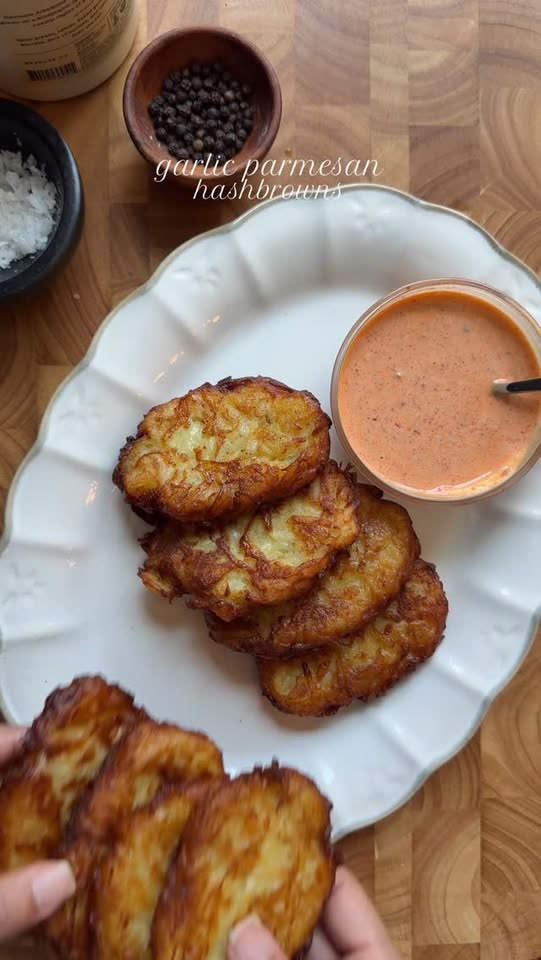
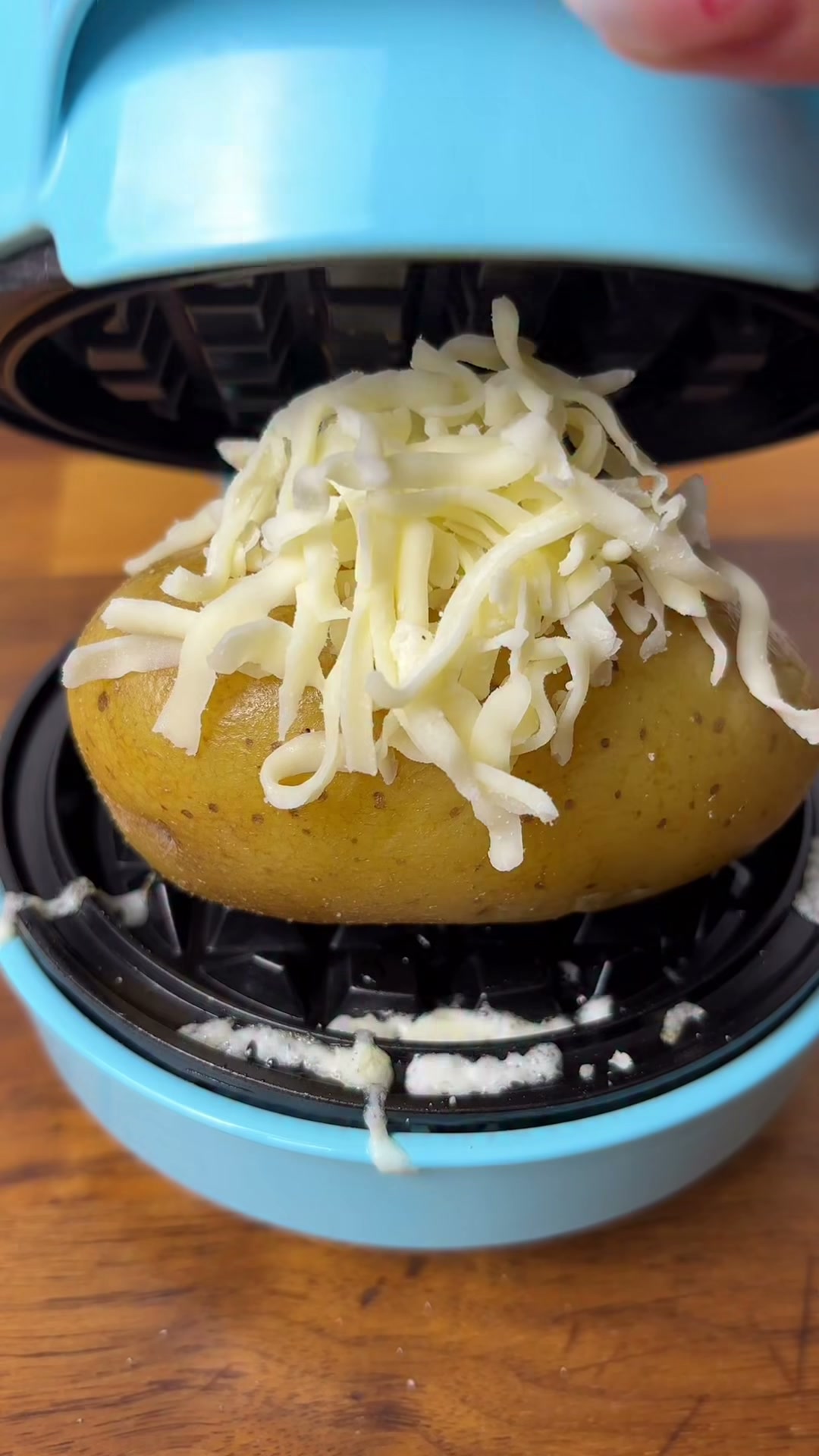
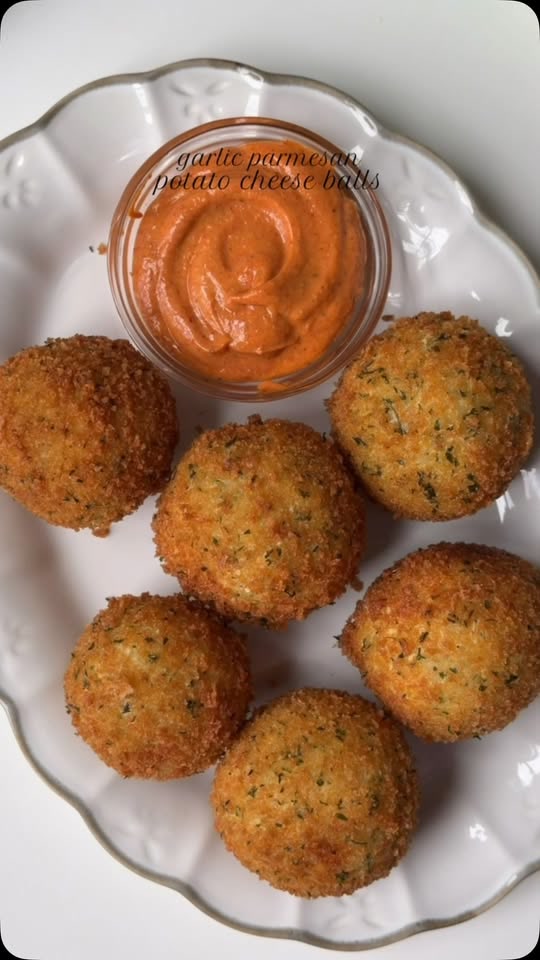
Overworked potatoes burst their starch cells, and burst starch equals wallpaper paste. Prevention: use starchy russets or Yukons, drain them bone-dry, and mash by hand or ricer — never a blender or food processor, whose blades are starch-cell woodchippers. Already gluey? It cannot be un-whipped, but fold in an egg, shape, and pan-fry: you have just invented dinner-saving potato balls energy, and nobody needs to know the origin story. A waffle iron performs the same rescue — see potato waffles.
Lumpy, bland, or gray
Lumps mean undercooked chunks or cold dairy: cook until a knife meets zero resistance, and warm the butter and cream before they go in — cold dairy seizes the starch. Bland is almost always under-salting the cooking water; it should taste like the sea, because potatoes only absorb seasoning while boiling. Gray and watery means they sat in water after cooking — drain immediately and steam-dry in the hot pot for a minute.
Holding them hot for hours
The Thanksgiving power move: a slow cooker on Low (or a bowl over barely simmering water), surface dotted with butter, lid on. Two hours later they are better than fresh — which is exactly the buffer the make-ahead plan is built around. Loosen with warm cream at service, never cold — the same warm-dairy rule from fixing common mistakes.