Why Did My Cheesecake Crack? Prevention and the Cover-Up
A cracked cheesecake is a structural failure with three possible causes — and, mercifully, an entire genre of delicious cover-ups. Diagnose first, disguise second.
The three causes
1. Overbeaten batter. Whipping air into cream cheese makes the cake soufflé in the oven and collapse-crack as it cools. Mix on low, just until smooth, and start with room-temperature everything — cold cream cheese forces the overbeating that causes the crack (the emulsion chain is explained in room temperature ingredients).
2. Overbaking. A cheesecake is done when the edges are set and a 2–3 inch center still jiggles — the identical custard logic from the pie doneness guide. Fully-set-in-the-oven means overbaked, and overbaked custard shrinks and splits.
3. Thermal shock. From 325°F to a cold counter, the cake contracts faster than its center allows. Instead: oven off, door cracked, one hour of gentle descent, then counter, then fridge.
The water bath question
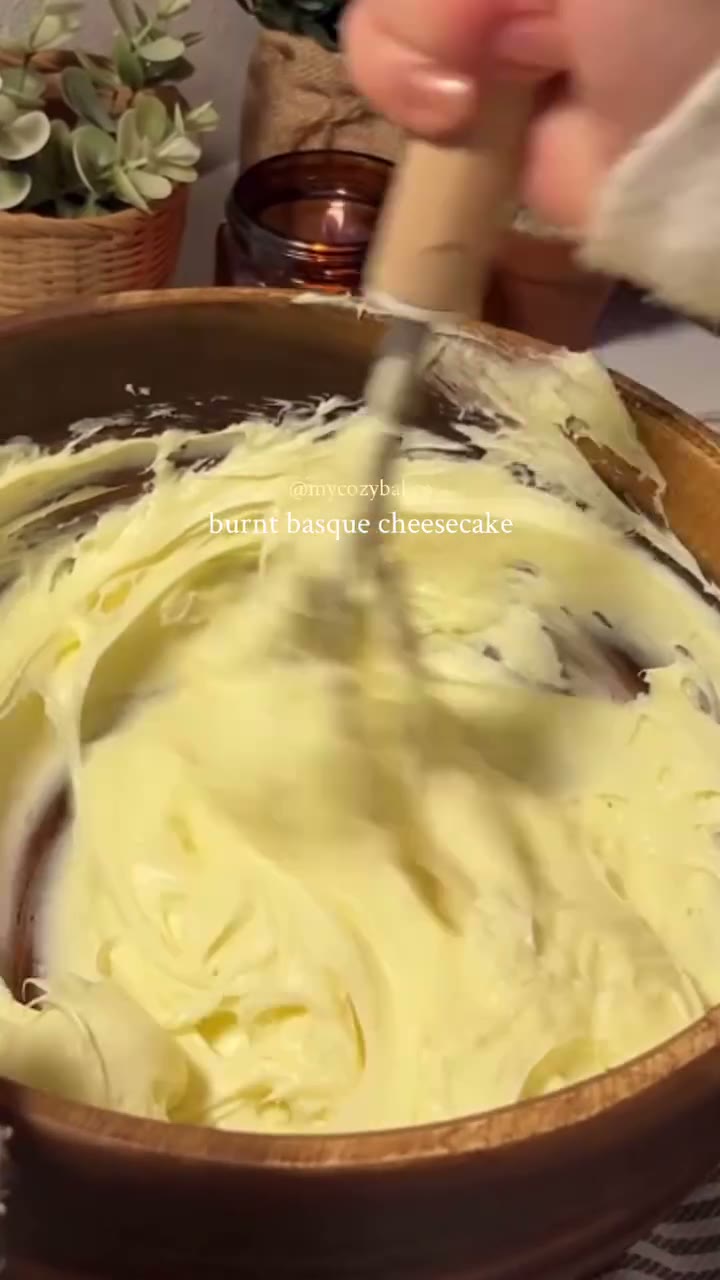
A foil-wrapped pan in an inch of hot water evens the heat and nearly eliminates cracks — worth it for a showpiece, skippable for casual. Skipping entirely is also a philosophy: the Basque cheesecake bakes hot on purpose and wears its cracks as fashion.
The cover-ups
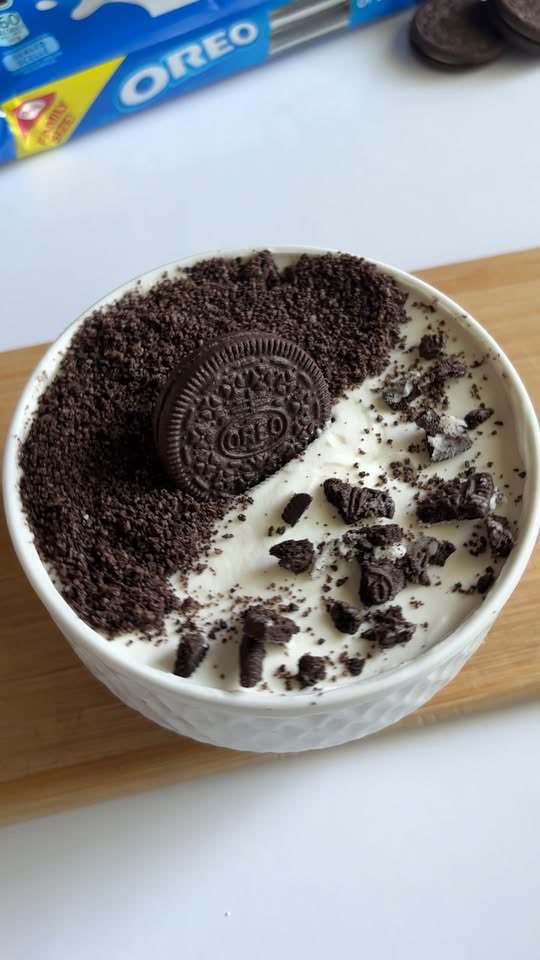
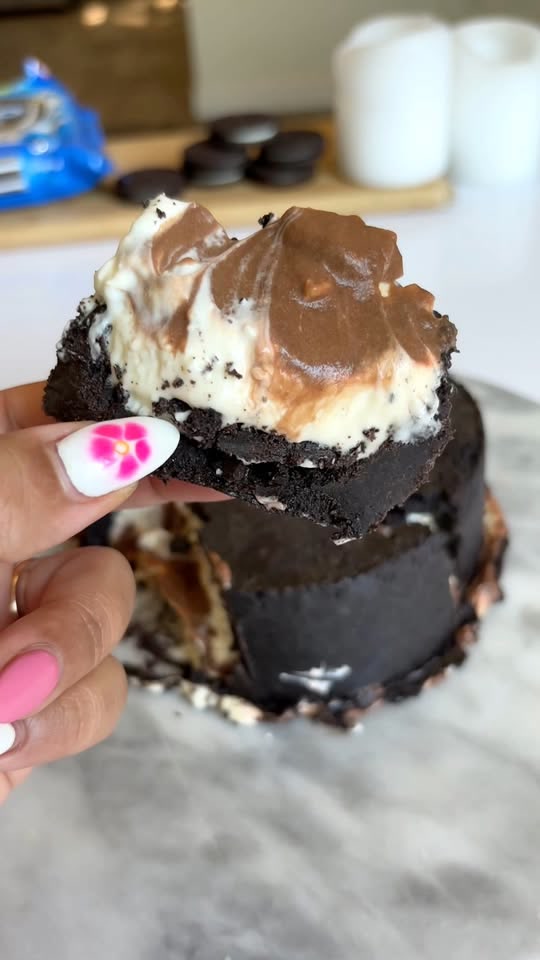
Sour cream topping (spread, 10 minutes back in the oven), a chocolate ganache flood, or a berry pile placed with total confidence. Format engineering also works: minis barely crack (less surface tension), and an Oreo reverse cheesecake hides everything under its own architecture. Nobody has ever refused a slice pending inspection.