How to Tell When Pumpkin and Pecan Pie Are Actually Done
Custard pies are done before they look done, and that single fact ruins more Thanksgiving desserts than any other. The toothpick test lies here; the jiggle tells the truth.
Reading the jiggle
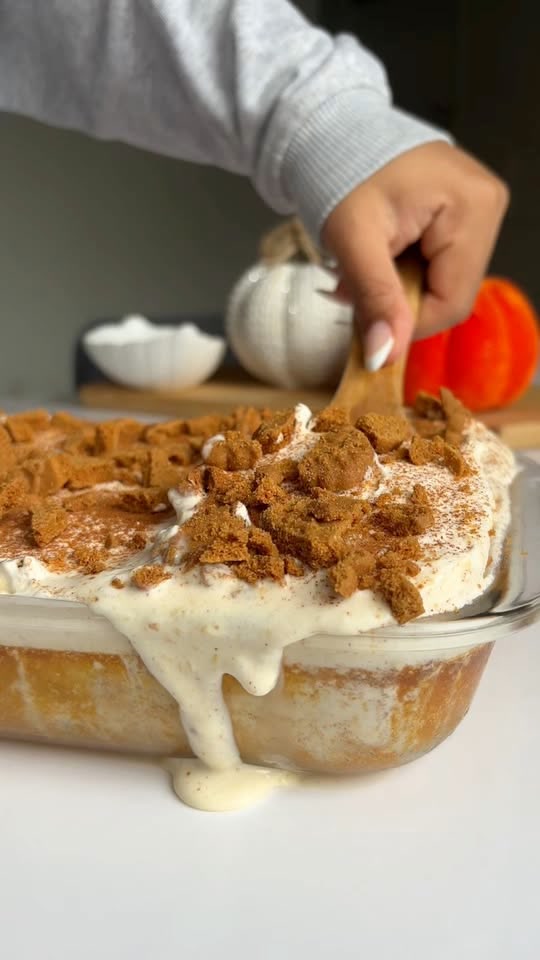
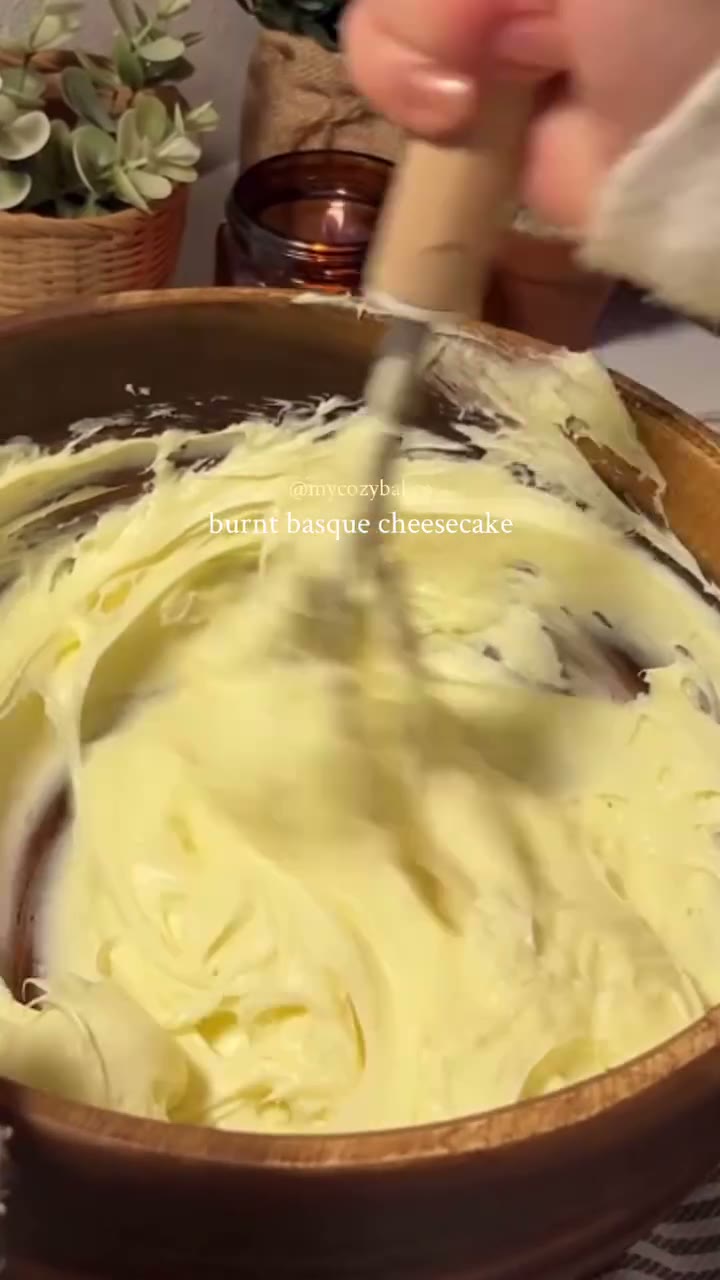
Shake the pan gently. A wave rolling across the whole surface: raw, keep baking. Edges set, a 2–3 inch center circle that wobbles like Jell-O: done — pull it now. No movement at all: overbaked; the cracks are already scheduled. Custard keeps cooking from residual heat for a solid ten minutes after the oven, which is why the perfect-looking pull becomes the grainy, split slice at dinner. The same trembling-center logic governs a Basque cheesecake — pulled jiggling, set by serving.
The numbers, for the thermometer people
| Pie | Pull at (center) | Cue |
|---|---|---|
| Pumpkin | 175°F | Jell-O center circle |
| Pecan | 185°F | Puffed edges, slight center wobble |
| Fruit (apple, cherry) | Juices at 195°F+ | Thick bubbles through the vents — bubbling is the doneness |
The patience clause
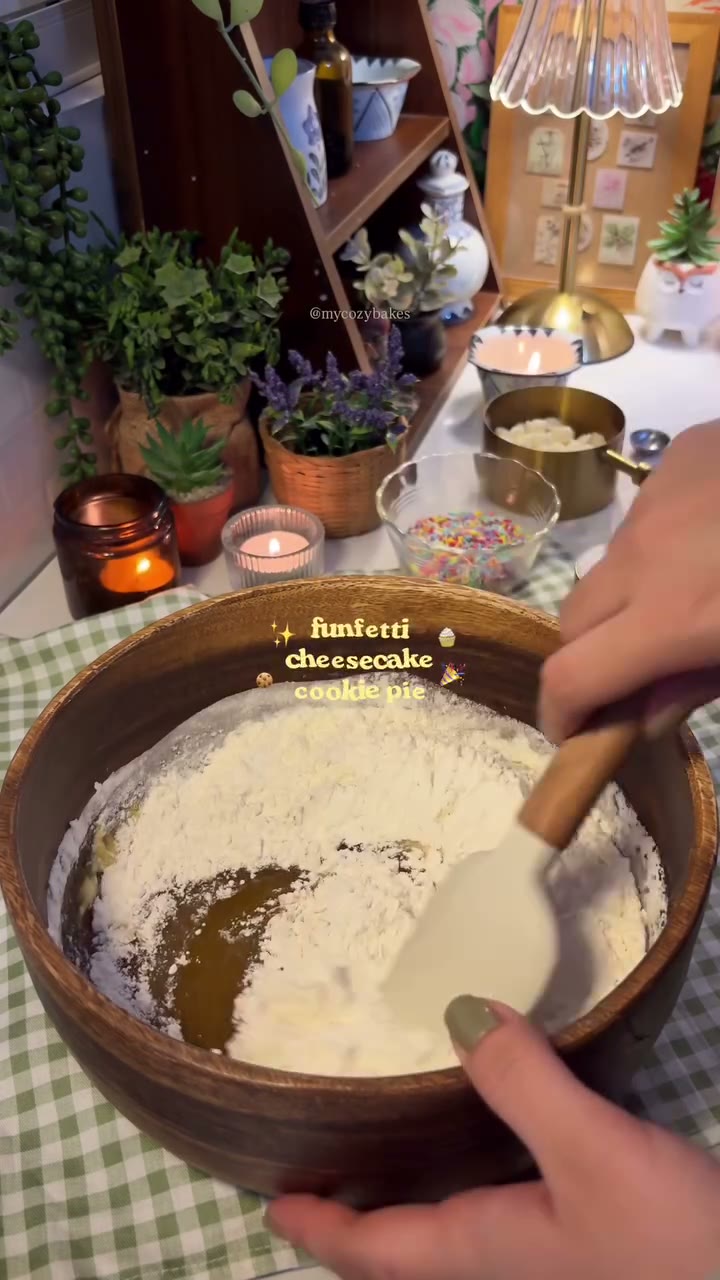
Custard pies need 2–4 hours at room temperature to finish setting — slice at 30 minutes and it pours. This is not a flaw; it is the reason pies bake on Wednesday and shine on Thursday. Cookie-format desserts like a chocolate chip cookie pie or funfetti cheesecake cookie pie are the forgiving alternative for same-day bakers: done at golden edges plus a soft center, no jiggle fluency required. Crust misbehaving instead? That is the other guide.