Why 'Room Temperature Ingredients' Matters (and When to Skip It)
"All ingredients at room temperature" reads like recipe-writer fussiness, so most people skip it. Then the batter breaks into curdled flecks, the cheesecake bakes up lumpy, and the fussiness starts looking like physics — which it always was.
The science in one paragraph
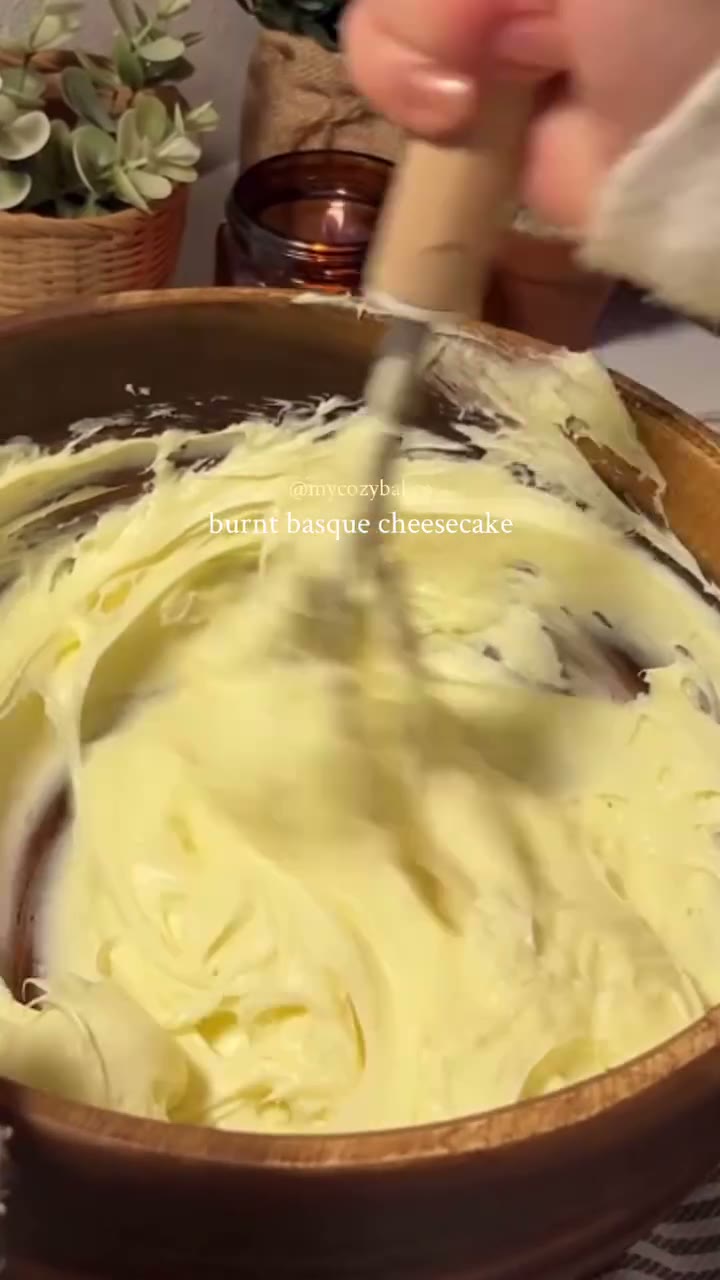
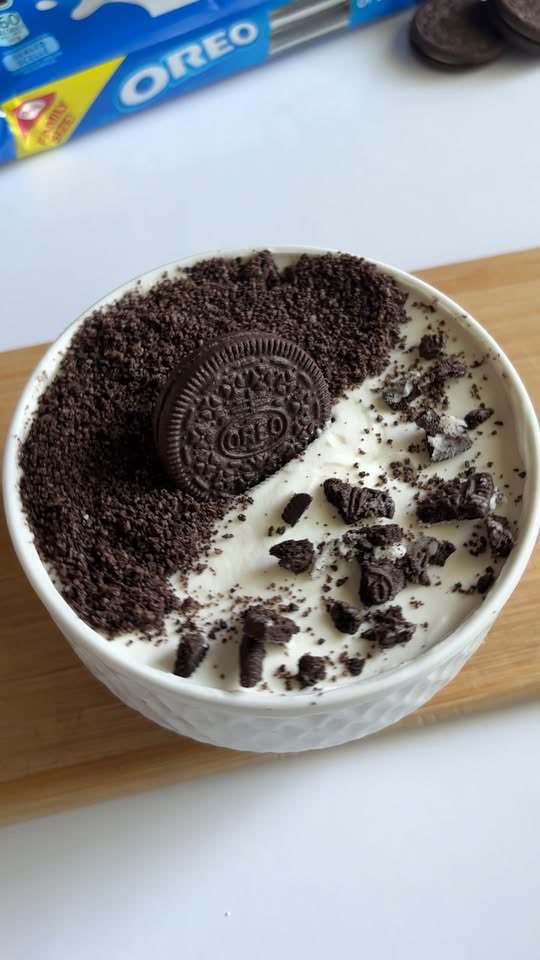
Batter is an emulsion: fat and water convinced to hold hands. At 65–70°F, butter is flexible enough to trap air and eggs blend into it seamlessly. Add fridge-cold eggs to creamed butter and the fat seizes into curds; the emulsion breaks before the flour ever arrives, and broken batter bakes dense. Cream cheese is the extreme case — cold, it simply refuses to go smooth, which is why every lumpy cheesecake started with an impatient baker. A Basque cheesecake or mini Oreo cheesecakes live or die on this single step.
The 10-minute shortcuts
Eggs: five minutes in a bowl of warm (not hot) tap water — done. Butter: the four fast methods in the softening guide. Cream cheese: unwrapped, cubed, fifteen minutes — or 15 seconds at 50% microwave power, flipping once, for the truly desperate. Milk and sour cream: a brief warm-water bath for the container.
When cold is correct
The rule inverts wherever you want unmixed fat: pie crusts, biscuits, scones — cold butter steaming into flaky layers. And plenty of melted-butter recipes, a one-bowl sheet cake included, skip creaming entirely and forgive everything. The skill is knowing which game the recipe is playing; now you do.