How Long to Boil Eggs: Soft, Jammy and Hard-Boiled Times That Work
Boiling an egg sounds like the easiest job in the kitchen, and yet it is the single most googled cooking question in America. The reason is simple: a 60-second difference separates a jammy yolk from a chalky one, and most of us are guessing.
The chart that ends the guessing
Start with eggs straight from the fridge, lower them into already boiling water, and start the timer immediately.
| Time | What you get | Best for |
|---|---|---|
| 6 min | Set white, runny yolk | Toast, ramen |
| 7 min | Jammy, custardy yolk | Grain bowls, snacking |
| 8 min | Mostly set with a soft center | Salads |
| 10 min | Fully hard-boiled, still tender | Meal prep, deviled eggs |
| 12+ min | Chalky yolk, green ring | Nothing. Stop earlier. |
The ice bath is not optional
The moment the timer rings, move the eggs to a bowl of ice water for at least 5 minutes. This stops the cooking dead (no gray-green ring) and shrinks the egg slightly inside its shell, which is why chilled eggs peel so much cleaner. Older eggs — a week or more in the fridge — peel easier than farm-fresh ones.
Peeling without craters
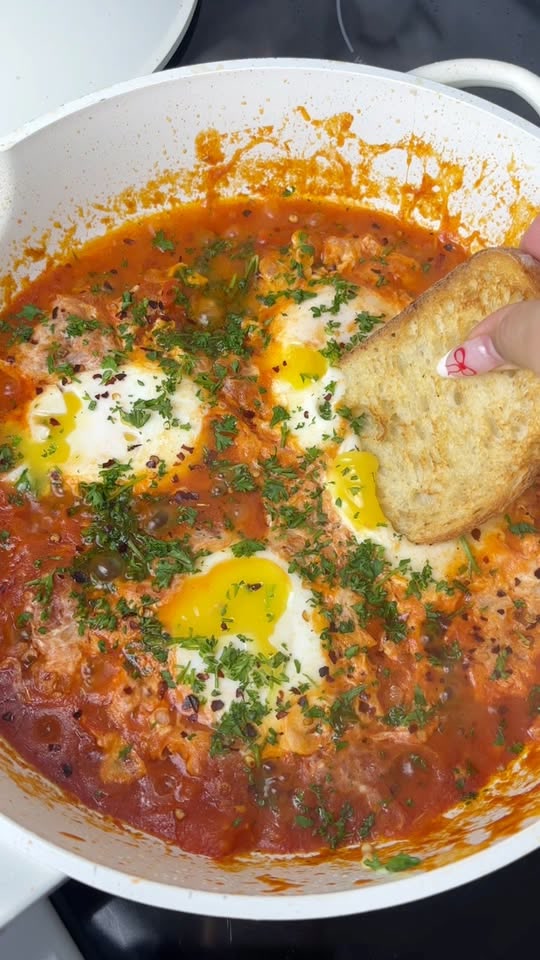
Tap the wide end first: that is where the air pocket lives. Roll gently, then peel under a thin stream of cold water. If breakfast is the goal, a cheddar egg bagel or a batch of high-protein egg muffins puts the technique straight to work, and a skillet of shakshuka is what to make when you would rather not boil at all.
One safety note: eggs cooked and cooled belong in the fridge within two hours, and they keep about a week in the shell — details in our fridge storage guide.