Soggy Bottom, Shrunken Sides: Pie Crust Problems Solved
Pie crust has a reputation for cruelty, but its three classic failures — soggy, shrunken, cracked — trace back to three physical causes: moisture, gluten and temperature. Control those and the crust behaves every time.
Soggy bottom
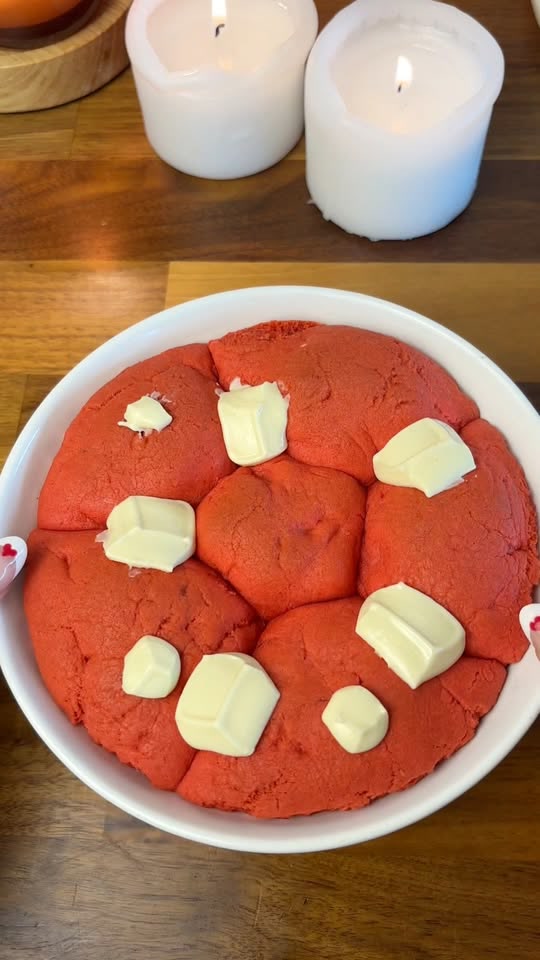
Wet filling meets raw dough and wins. The defenses, in order of power: blind-bake custard and pumpkin pies (line the crust with parchment and pie weights, 15 minutes at 400°F, weights out, 5 more minutes); bake low — the bottom rack or a preheated sheet pan attacks the base with direct heat; seal the parbaked surface with beaten egg white for a waterproof layer. Skip all three only for cookie-crust formats like a red velvet cookie pie, where the sturdy dough is its own defense.
Shrunken sides
Shrinkage is gluten snapping back. It develops from overworking and warm butter — so mix only until the dough holds, keep everything cold, and above all rest the shaped crust 30 minutes in the fridge before baking. Relaxed gluten stays where you put it. Stretching dough to fit the pan is a pre-paid shrink: re-roll instead.
Cracked top, weeping filling
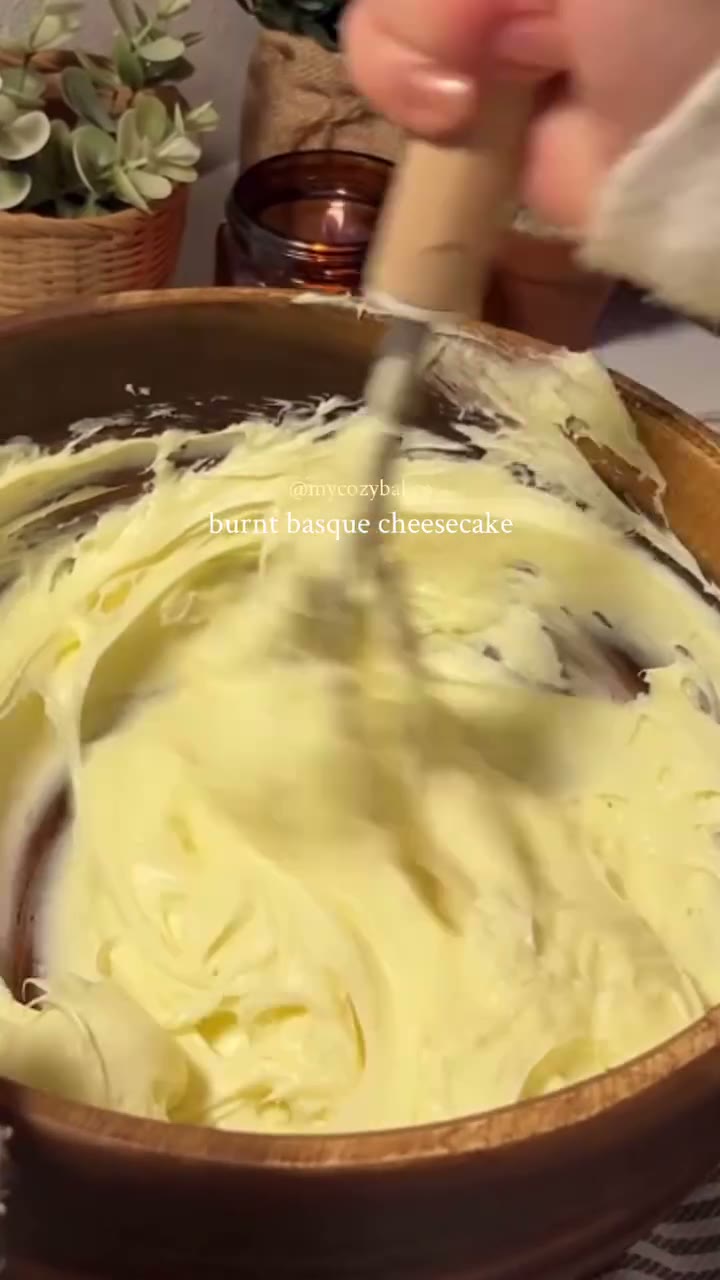
Cracks mean overbaking — custard pies finish while still trembling at the center (the full doneness call is in when is pie actually done). Cut steam vents in double-crust pies so pressure escapes on your terms. And bake the day before: pies need hours to set, which is exactly why the make-ahead map schedules them for Wednesday — alongside crustless insurance like a Basque cheesecake, which treats cracks as a feature.