Grainy or Soft Fudge: What Went Wrong and How to Fix It
Fudge is crystallization management wearing a holiday sweater. The difference between silk and sand is a few degrees and a badly timed stir — which means both failures are preventable, and one is even reversible.
Grainy fudge: the stirring crime
Large sugar crystals are the culprit, and they form two ways: sugar crystals stuck to the pan wall falling back in (wash the sides down with a wet brush during the boil), or — the classic — stirring while it cools. Traditional fudge must cool undisturbed to 110°F before you beat it; agitation while hot seeds giant crystals instantly. Boil, wash, wait, then beat. Rescue: melt the grainy batch back down with a splash of cream and re-cool properly — second chances are real in candy.
Fudge that never sets
Undercooked, full stop. Fudge sets at the soft-ball stage, 234–237°F, and "it looked thick" is not a temperature. A $10 candy thermometer ends the guessing forever. Too-soft fudge re-boils to temperature and gets a second life; too-hard fudge (overshot to 245°F+) becomes crumbly — chop it over ice cream and accept the pivot.
The shortcut that skips the chemistry
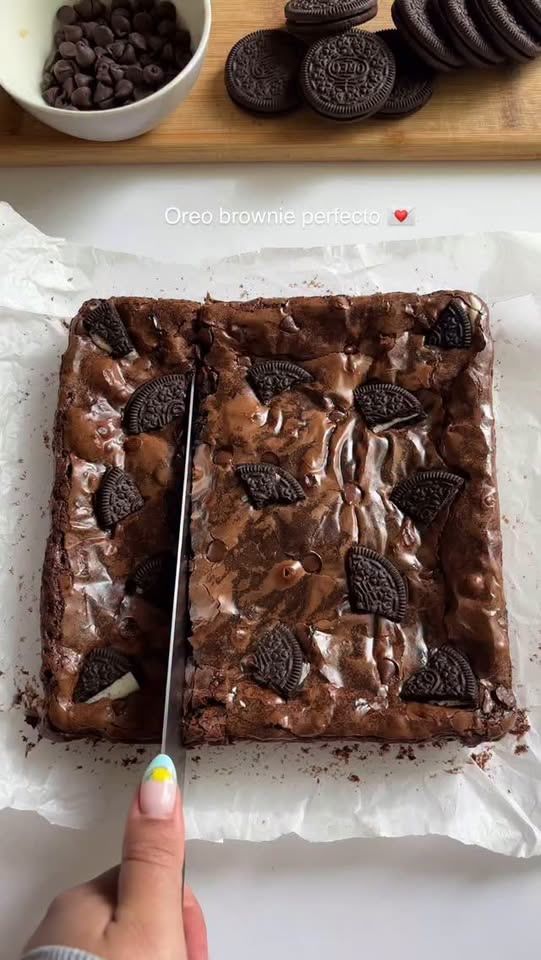
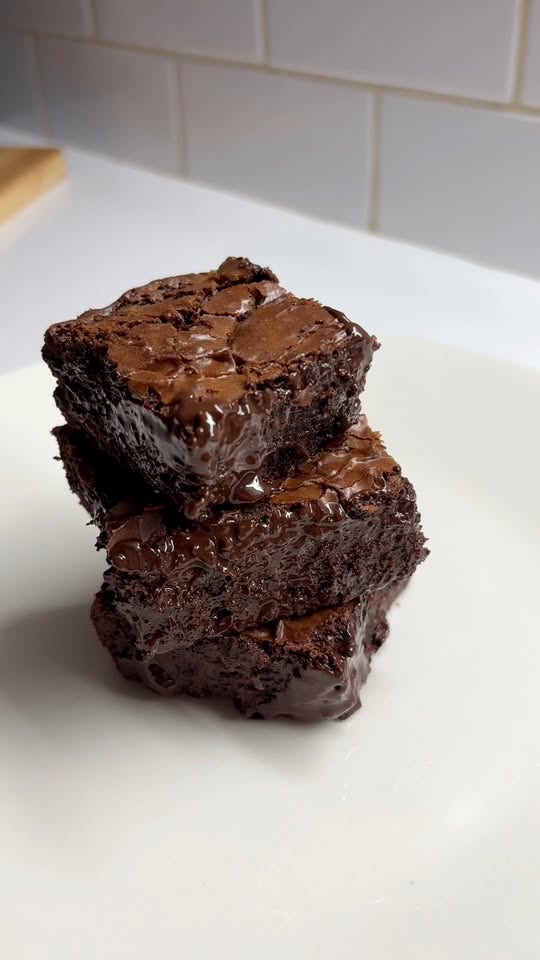
Condensed-milk fudge — chocolate melted into sweetened condensed milk — bypasses crystallization entirely and never grains. Purists scoff; December is busy. Melt the chocolate gently (the burst method), and if candy still is not your love language, fudgy brownies or Oreo fudge brownies deliver the same payload with baking rules instead — gift-box math in the cookie box guide.