Chicken Internal Temp: The Exact Doneness Guide (Breast, Thighs, Whole)
Undercooked chicken is a health risk; overcooked chicken is the reason people think they hate chicken breast. A $12 instant-read thermometer solves both problems permanently — if you know the numbers and where to stick it.
The numbers by cut
| Cut | Safe temp | Pull at | Why |
|---|---|---|---|
| Breast | 165°F | 160–162°F | Carryover finishes the job while it rests |
| Thighs / legs | 165°F | 175–185°F | Extra time melts collagen — juicier, not drier |
| Ground chicken | 165°F | 165°F | No carryover margin with ground meat |
| Whole bird | 165°F | Check thigh AND breast | Thickest spots cook last |
Where to measure
Slide the probe into the thickest part, away from bone — bone conducts heat and lies to your thermometer. On a whole bird, check the inner thigh near the joint, then the deepest part of the breast. Two different readings? Trust the lower one.
The rest is part of the cooking
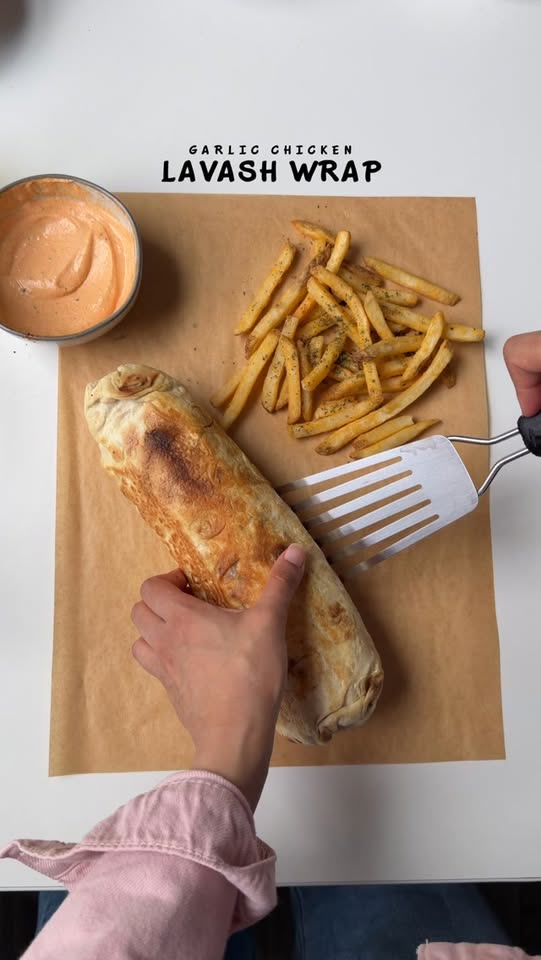
Five minutes under loose foil lets juices redistribute and the temperature climb those last few degrees. Skip it and the juice ends up on the cutting board instead of in your smash tacos or garlic chicken lavash.
Color, for the record, proves nothing: perfectly safe thigh meat can stay pink near the bone, and juices can run clear before 165°F. The thermometer is the only witness that never lies. Once the technique is automatic, weeknight staples like a spicy chicken caesar wrap or chicken croquettes come out juicy every single time. Thawing in a hurry first? Use the safe fast-defrost methods.